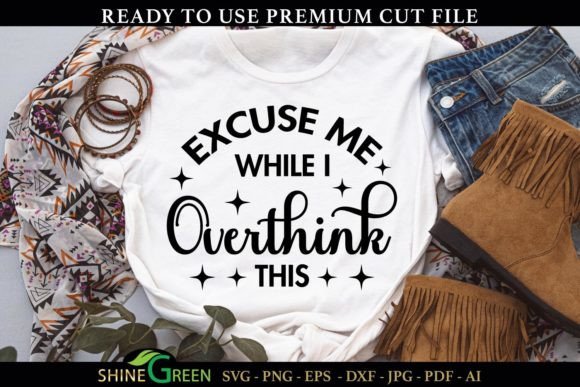
Excuse Me While I Overthink This Embroidery Design
As an embroidery designer with years of hands-on experience, I’ve seen my fair share of digital files that promise a lot but deliver less when it comes to real-world application. That’s why I always take the time to evaluate each design before committing it to a project—whether it’s for personal use, custom apparel, or commercial sale. Today, I’m reviewing “Excuse Me While I Overthink This”, a humorous quote-based machine embroidery design, and thinking through how it might perform in different contexts.
A First Glance at the Design
The first thing that stands out about this design is its personality. It’s not just a string of text; it has a visual rhythm and playful layout that makes it feel more like a graphic than a simple embroidered quote. The wording is clever and relatable, which immediately suggests it could work well on casual apparel, tote bags, or even as part of a patch design. As a graphics product in the crafts category, it clearly aims to appeal to a wide audience—especially those who appreciate witty humor in their handmade items.
Visually, the layout is clean and balanced, making it easy to read once stitched. The font style is modern yet slightly stylized, with some subtle curves and spacing that give it a soft, approachable vibe. For someone creating personalized gifts or small shop merchandise, this kind of design can add charm without being overwhelming. It’s also versatile enough to blend into both minimalist and bold looks, depending on thread choices and fabric type.
Real-Life Use: Tote Bag Project
To get a better sense of how “Excuse Me While I Overthink This” would translate from screen to stitch, I imagine using it on a custom embroidered tote bag. These are popular among Etsy sellers and craft fairs because they’re functional, reusable, and often serve as conversation starters. A tote bag made with this design would instantly stand out—it speaks directly to people who enjoy self-deprecating humor and creative expression.
When considering placement, I’d suggest centering the design on a mid-weight cotton canvas tote. The layout is long enough to wrap around the width of the bag, so positioning it horizontally across the front seems natural. But if you're working with a smaller hoop size or a curved surface like a cap, the same design may require resizing or reformatting to maintain legibility and proportion.
Performance Across Projects
This design performs best on flat, stable surfaces where clarity is key. Here’s how it fares in various scenarios:
- Sweatshirts & T-Shirts: The text is large enough to be readable after stitching, especially in a satin stitch or running stitch format. However, keep in mind that stretchy fabrics like jersey knits may distort the look if not properly stabilized.
- Baby Clothes: The theme is lighthearted and non-offensive, making it a good fit for personalized baby gifts. Just make sure the lettering isn’t too small and that the design doesn’t sit over seams or folds that might cause puckering.
- Patches & Aprons: As an applique design, it works well on woven materials. On aprons, consider placing it near the pocket or waistband area to maximize visibility and avoid areas prone to frequent washing and wear.
- Pillow Covers & Tea Towels: These are excellent applications for holiday gifts or nursery decor. The design adds character without being too busy, especially when paired with solid colors or simple patterns.
- Commercial Embroidery: If you’re an Etsy seller or running a small craft business, this design could easily become part of your signature collection. Its universal humor and clean lines make it appealing for both male and female customers, and it’s suitable for multiple garment types.
Where Caution Is Key
While this design is generally well-structured, there are a few considerations to keep in mind:
- Small Hoop Sizes: The phrase is relatively long, so it may need trimming or adjusting for smaller projects like embroidered patches or tiny caps.
- Textured or Stretchy Fabrics: Stitch clarity could be affected by the fabric's surface. Test it on a sample piece first, especially if planning to use it on denim or stretch blends.
- Dark Backgrounds: Thread color contrast is important here. If you plan to embroider it on black or navy fabric, ensure your thread palette includes light shades for visibility.
- Frequent Washing: Dense stitch areas may fray over time, especially on items like baby clothes or kitchen towels. Using a strong stabilizer and high-quality threads can help mitigate this.
- Curved Surfaces: When applying the design to a curved surface such as a hat or sleeve, test it on a mockup to see how it stretches or compresses during embroidery.
Visual Appeal and Customer Reactions
One of the strengths of this design is its ability to spark engagement. Humor in handmade products is powerful—it invites interaction and helps buyers connect emotionally. Whether used on a sweatshirt or a tote, “Excuse Me While I Overthink This” has the potential to create memorable personalized gifts and increase buyer interest in your listings.
From a brand consistency standpoint, this design fits well with businesses that focus on lifestyle, fashion, or humor-driven craft business products. It can reinforce a brand voice that’s fun, thoughtful, and relatable. As a digital embroidery file, it also allows for quick customization with names, dates, or other details, which is great for adding a personal touch to small shop product lines.
Thread Colors and Fabric Texture
Thread selection plays a big role in the final appearance. The default thread colors provided with the embroidery file are a good starting point, but experimenting with pastels or metallic threads could enhance the design’s visual personality. On textured fabrics like linen or flannel, the stitches might not lie perfectly flat, so using a tear-away or cut-away stabilizer becomes essential.
Also, don’t overlook the importance of stitch density. Too loose, and the letters might look under-stitched. Too tight, and the fabric could pucker. Finding the right balance ensures the design remains visually appealing and durable after repeated use.
Practical Designer Notes
Before integrating “Excuse Me While I Overthink This” into your next embroidery project, here are some steps I recommend taking:
- Test on Scrap Fabric: Always run a trial stitch to assess how the design looks and behaves on your chosen material.
- Check Thread Contrast: Especially if you plan to use it on dark or patterned backgrounds, a white or light-colored thread will ensure readability.
- Review Stitch Density: Make adjustments if needed to prevent distortion or puckering.
- Confirm Hoop Size: Ensure your hoop can accommodate the full design without cutting off any elements.
- Inspect Small Details: Look closely at corners and edges—these are common trouble spots for machine embroidery.
- Use Black and White Mockups: This helps visualize how the design will appear in grayscale, which is useful for printed previews or monochrome thread options.
- Compare Light and Dark Fabrics: See how the design holds up in different lighting conditions and fabric tones.
- Use Proper Stabilizer: Choose the right backing based on your fabric type to ensure smooth, wrinkle-free results.
- Verify Licensing: If you plan to sell finished items or digital assets, double-check the license terms to stay compliant.
Design Versatility and Value
What I appreciate most about this design is its versatility. It’s not limited to one niche or product type. You can adapt it for sweatshirt embroidery, tote bag design, or even as part of a larger decorative panel on a blanket or pillow. The inclusion of multiple formats—like SVG, EPS, DXF, AI, and PNG—makes it ideal for digital product sellers looking to offer printable mockups or layered design assets.
Its humor is timeless and universal, which means it can be used year-round for holiday gifts, everyday accessories, or seasonal collections. As a handmade product, it elevates the perceived value of the item and encourages customer trust, especially if paired with high-quality craftsmanship and clear presentation.
Final Thoughts
In conclusion, “Excuse Me While I Overthink This” is a thoughtfully designed machine embroidery design that brings a smile and a sense of connection to any project. It’s suitable for a range of uses—from custom apparel to commercial embroidery—but requires careful consideration of placement, fabric choice, and thread contrast to achieve the best outcome.
If you’re an embroidery designer, Etsy seller, or part of a craft business, this design offers a fresh, engaging option for your product line. Just remember to test it thoroughly, adjust for your specific needs, and confirm all licensing requirements before selling the finished product.
Embroidery is as much about creativity as it is about precision. Designs like this one remind us that sometimes, the best ones are the ones we can relate to—even if we’re overthinking every step of the way.